


It is fair to say that, at times, all I wanted was for the elections to simply be over… even before the campaign started. Yet I also knew that I had to be part of this historic moment alongside my colleagues at Unhack Democracy. The uncertainty and psychological pressure in the lead-up to Hungary’s historic elections in April 2026, after 16 years of resistance, are difficult to describe.
Every scenario seemed possible. We genuinely did not know whether the regime would attempt to escalate its grip on power or whether it would accept an electoral defeat and hand over power. We certainly did not dare to dream of an opposition constitutional majority.
The shadow of the Sovereignty Protection Act had a profound impact on our work. For those unfamiliar with the law, it gave authorities broad powers to investigate organisations receiving foreign support and transformed political pressure into a formal mechanism of surveillance and intimidation. The chilling effect was undeniable. We were siloed, our pockets were almost empty, and we could only partially rely on our previous experience. Being pushed into a corner meant we had to become smarter, more strategic, and more creative in how we operated. This is how the autocratic game is played in its final days…
I became convinced that we needed to bring together the best and brightest people working on electoral integrity: election analysts, lawyers, journalists, and members of the independent media. The goal was to prepare collectively rather than remain trapped in a reactive mode. After all, we are always smarter together than we are apart.
Unprecedented times require unprecedented measures. That is how we came up with the idea of a war-game: a collective exercise to anticipate possible scenarios, identify risks, and prepare for the challenges that no one could predict. So we reached out to experts from around the world who had successfully implemented war-games in civil society to learn the tricks of the trade on the fly. It was an exciting challenge.
🎲 We brought together 25 of the best and brightest minds for a nearly nine-hour, highly technical and super fast-paced simulation that explored how to prepare for a marginal opposition win. After 16 years of institutional capture with Russia’s ever growing influence, this would have posed the highest risk to democratic stability with possible re-counts, re-votes and even a hung parliament. The selection process was as important as the exercise itself: we carefully considered not only the roles that needed to be represented, but also the individuals who had both the expertise and the mindset required to navigate such a demanding scenario.
🧑⚖️ Meanwhile, the control team had an equally challenging task. They synthesised the players' arguments, adjudicated competing interpretations, and continuously updated the shared picture of events, ensuring that everyone operated from the same evolving reality. To support this process, the game designers developed a detailed decision matrix that served as a roadmap for interpreting players' actions.
🏈 Fortunately, our chief game designer, Ádám Sanyó, founder of TacticalVoting.eu, brought an unexpected but invaluable skill to the exercise: he is also an American football referee. Lucky us! That experience proved indispensable. Throughout the 9 hour simulation, he acted like the referee on the field, keeping the pace relentless and ensuring every participant stuck to their allocated speaking time ranging from just one to three minutes.
🟥 🟦 To keep the simulation moving, logistics also had to be meticulously choreographed. In every round members of the red and the blue team had just 20 minutes to come up with actions and arguments in their separate rooms before coming together to present these, negotiate, and debate. The tight time limits mirrored the pressure of a real political crisis, forcing participants to make difficult decisions with incomplete information.
💛 Creating a safe and trusted environment was essential. Every participant was thoroughly briefed in advance on their objectives, responsibilities, and limitations. Our goal was to make the simulation feel as close to reality as possible while giving everyone the confidence to fully immerse themselves in their role without fear of consequences. Phones and electronic devices were all locked outside of the room.
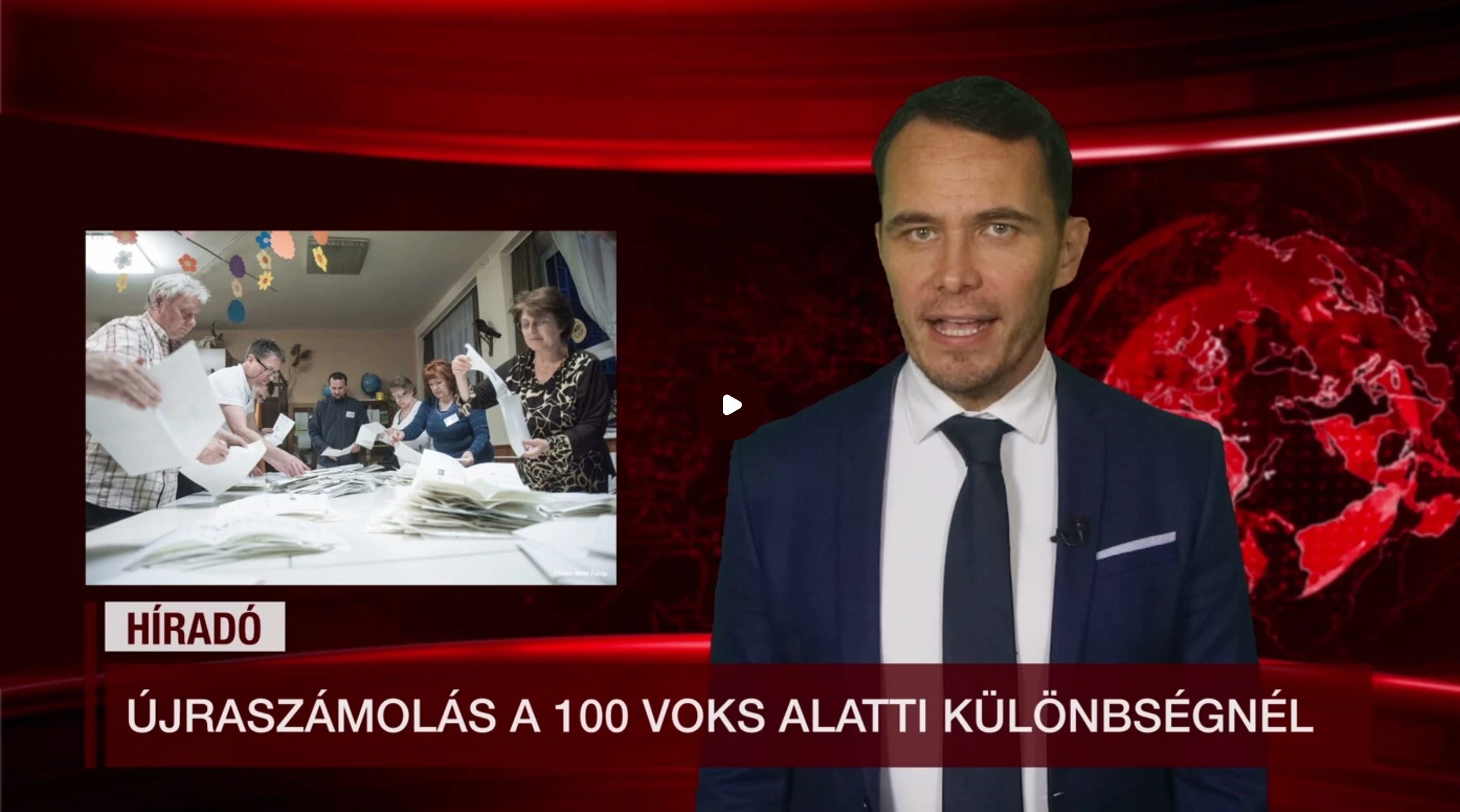
📺 To make the experience as realistic as possible, we had pre-recorded 13 mock news broadcasts with the brilliant actor Tamás Lengyel. After each round, once the control team had assessed the players’ actions and arguments and determined how events would unfold, the next round began with one of these broadcasts. The news segments revealed the consequences of the participants’ choices, creating the feeling that events were unfolding in real time.
🎉 And I want to emphasise one word in particular: joy. That may sound unusual when talking about electoral crises, but I genuinely believe that people do their best thinking when they are enjoying the process. If you create an environment where participants feel safe, trusted, and free to experiment, creativity flourishes. And frankly speaking the situation was surreal enough so we had a lot of laughs.
🏹 Our primary objective of the simulation was not to predict the future, but to examine how democratic actors can prepare for uncertainty, strengthen election integrity, and foster collaborative thinking about democratic transitions. But there were some pretty imaginative players, who were very close to seeing the future…
⚡ The purpose of the exercise was to think through every plausible risk and dilemma from election day to the certification of the results. But something remarkable happened. Once people immersed themselves in their roles, they began imagining scenarios that nobody in the room had previously dared to think of, particularly when it came to Russia’s dirty hybrid-warfare tactics being deployed.
The Hungarian Simulation Exercise 2026 was non-partisan event that took place in February 2026 with members of civil society and the free press. The podcast was recorded in June 2026. If you’d like to learn more, please listen to the full episode and share it.
Moderator:
Szubkontra / Balázs Zsuzsanna – journalist, founder of @Szubkontra, and co-author of the book Orbán Viktor’s Affairs with Women.
Guests:
Ádám Sanyó – Chief Designer and Moderator of the simulation; data analyst, election expert, and editor of Taktikaiszavazas.hu.
Melani Barlai – Co-organiser of the Simulation, Co-founder of Unhack Democracy, and political scientist at Andrássy University Budapest.
Zsófia Banuta – Co-organiser of the Simulation and Co-founder of Unhack Democracy.
The game’s moderator & co-desginer was Andor Kelenhegyi and a special thanks to Péter Gönci’s contribution.
We are looking for partnership opportunities and are open to collaborate with anyone who’d like to prepare for the impossible in a crisis situation or transition.
🤔 Do you know anyone who would be interested?
✨Stay tuned for Part #️2 when we explore the key learnings.


